How to choose keyrings: a practical buying and gift guide
A straightforward guide for UK gift buyers to choose keyrings that are useful, personal and built to last. Covers size and shape, materials and care, attachment types, personalisation checks and a concise buying checklist with examples from Ashton & Finch’s Keyrings collection.
In this guide
- Why a keyring makes a good small gift
- Match size and shape to how the recipient will use it
- Materials, finish and care
- Attachment, durability and everyday use
- Personalisation: what to check and why it matters
- Examples from the collection and when to pick them
- Buying checklist: details to confirm with the retailer
- Making the most of a personalised keyring as a gift
- FAQ
Why a keyring makes a good small gift
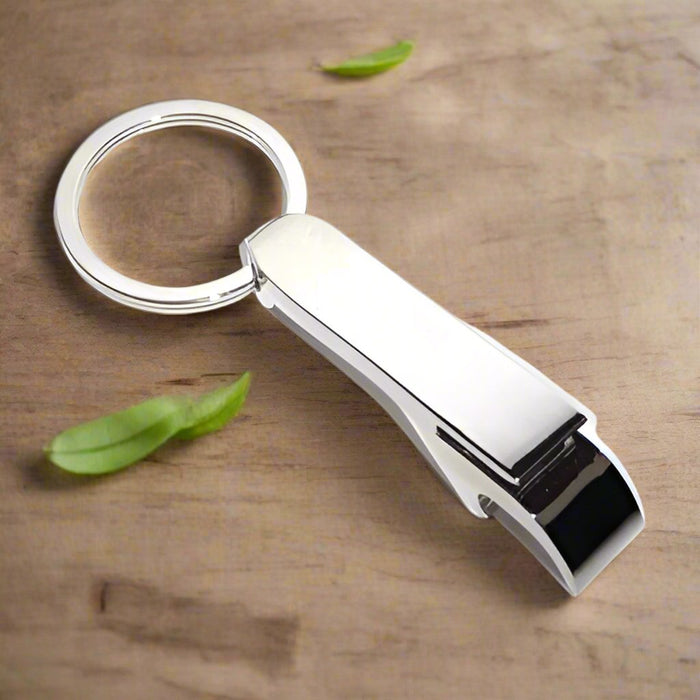
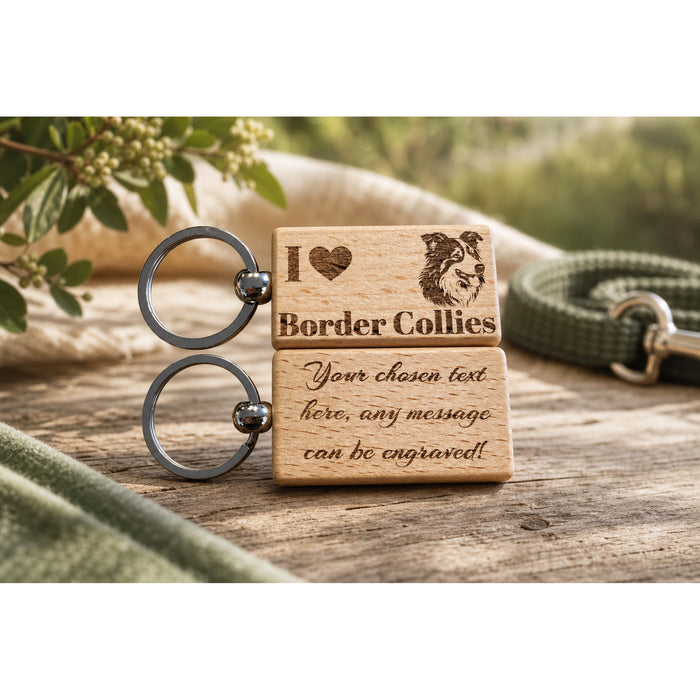
Keyrings combine everyday usefulness with the chance to choose a design that feels personal. At Ashton & Finch, the Keyrings collection includes themed wooden keyrings that turn routine objects into thoughtful presents — for example, the Border Collie Keyring is designed specifically for dog lovers while still being practical for daily use. The collection also includes more functional options such as a Personalised Bottle Opener Keyring for someone who likes a useful extra feature.
Match size and shape to how the recipient will use it
Think first about whether the keyring will live on a bunch of house keys, become a bag charm, or be carried on a work lanyard. The collection guidance recommends checking the size and shape alongside the keys it will carry. A compact wooden motif keeps the bulk down on a key set; a larger novelty piece can work well as a bag or jacket accessory, but may feel heavy on a small keyring.
Materials, finish and care
Many items in the collection use wood as the stated material or finish. Wooden keyrings offer a warm, tactile look and are lightweight. The product descriptions uniformly advise simple maintenance: wipe clean with a soft cloth. If you need greater detail about varnish, lacquer or water resistance for a particular design, confirm that specification with the retailer before ordering.
Attachment, durability and everyday use
Keyrings rely on their ring and any linking components to stay useful. The collection advice recommends checking the attachment type and any fastenings on the chosen design before ordering. Where a product description does not list the ring diameter, split-ring type or metal grade, include those questions in your buying checklist (see below). Several designs in the range are described as “useful for keeping everyday keys together,” which means they are intended for regular use rather than decorative storage.
Personalisation: what to check and why it matters
Personalisation is a common option across these keyrings. All personalised items are produced from the wording or details supplied at checkout, so it’s important to enter names, initials, dates and punctuation exactly as you want them to appear. The product notes repeatedly advise customers to double-check every character — including spelling, capital letters, punctuation, accents and spacing — before placing the order. That final review is the single most effective step to avoid an unwanted finish.
Examples from the collection and when to pick them
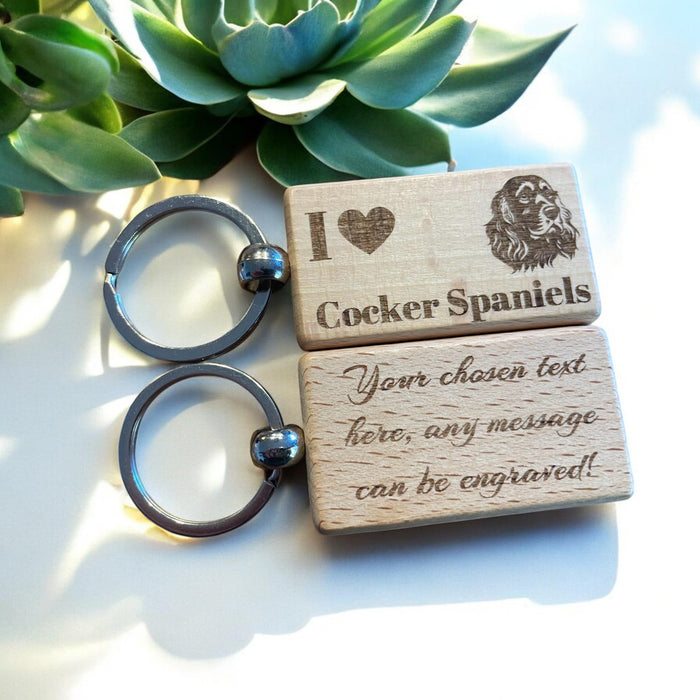
- Breed-themed wooden keyrings (Border Collie, Cocker Spaniel, Schnauzer, Retriever, Labradoodle, Husky, French Bulldog, Pointer, Scottish Terrier, Doberman, Bulldog): choose these when you want a gift that recognisably relates to the recipient’s interests or pet.
- Personalised Bottle Opener Keyring: pick this when you want to combine a personal message with an extra practical function — it keeps keys together and doubles as a bottle opener.
These options are designed to remain functional after the gifting occasion, balancing everyday use with a design that feels chosen for the recipient.
Buying checklist: details to confirm with the retailer
When a product page does not supply every technical detail, confirm the following points before you buy:
- Exact material and finish (for example, type of wood and whether it has a protective coating).
- Attachment type and ring size (split ring diameter and thickness, clasp or swivel details if applicable).
- Dimensions and weight — important if the keyring will be added to a full bunch of keys or used on a bag.
- Personalisation limits and layout: maximum characters, allowed punctuation, use of accents and whether a preview is provided.
- Care instructions and expected longevity for the finish.
- Lead time for personalised orders and any guarantees about how the finished wording will appear.
- Packaging options for gifting and the retailer’s approach to returns on personalised items.
Making the most of a personalised keyring as a gift
Keep the message concise and relevant: a name, short phrase or date usually reads best on small surfaces. Match the motif to the recipient’s interests — the breed-themed wooden keyrings in Ashton & Finch’s Keyrings collection are a good example of a clear, immediate link between design and recipient. For a hybrid gift—useful and themed—the Personalised Bottle Opener Keyring adds an everyday function to the personal finish.
FAQ
Q: Are these keyrings suitable for everyday use? A: Many products in the collection are described as useful for keeping everyday keys together. Confirm ring type and dimensions if you expect heavy daily wear.
Q: How should I care for a wooden keyring? A: The listed care instruction for the wooden keyrings is to wipe clean with a soft cloth.
Q: What should I check for personalisation? A: Enter the exact wording you want at checkout and double-check spelling, capitalisation, punctuation, accents and spacing. The finished item is made using the supplied details, so review them carefully before placing the order.
Related gift inspiration
Explore these designs from our current range. Check each product page for its details and personalisation options.